Hot
Hong Kong Q3 GDP grows 5.2% South Korea October exports hit a record high US manufacturing PMI rises to 55.5 German manufacturing expands again Netherlands Q3 GDP up 0.6% India growth forecast tops 7% Global export orders hit a five-year high World manufacturing output grows 15 months running Eurozone Q3 growth beats expectations OECD sees 2.9% global growth in 2026
Global Economy · Issue 11

2026 Global Economic Highlights: 10 Key Stories

Updated November 3, 2026 · Global Economy · International Trade · Technology Investment · Manufacturing · Financial Markets

The 2026 global economy is showing several encouraging shifts worth watching — from investment in artificial intelligence, growth in international trade and expansion across Asian export markets, to a recovery in US and European manufacturing and a new wave of global infrastructure building.

This issue selects 10 representative pieces of positive global economic news, spanning Asia, Europe, North America and world markets. Each entry includes the headline, detailed background, core data, economic impact and an image cue — suited to economic news sites, news magazines or content landing pages.

A caveat: these are selected positive signals. They do not mean every part of the global economy is recovering in step. Energy prices, inflation and geopolitics remain risks to watch.
Hong Kong skyline at dusk with Victoria Harbour
Lead Story

Hong Kong Q3 GDP Grows 5.2%, Growth Momentum Strengthens

Third-quarter growth beat market expectations, expanding for a 15th consecutive quarter as exports and private consumption held up.

In this issue

01 Hong Kong financial district skyline
Latest DataAsia Financial Markets

Hong Kong Q3 GDP Grows 5.2%, Growth Momentum Strengthens

News core

Hong Kong's third-quarter economic growth beat market expectations, expanding for a 15th consecutive quarter.

Hong Kong's economy showed considerable resilience in the third quarter of 2026. Newly released data show real GDP grew 5.2% year on year — well above the market forecast of 3.6% and stronger than the 4.2% recorded in the second quarter.

By component, goods exports rose 30.4% year on year and imports 29.9%, indicating that international trade activity stayed brisk. Local private consumption grew 2.8%, reflecting continued support from household demand.

Across the first three quarters, real GDP grew 5.1% in cumulative terms — among the stronger performances for the period in the past five years.

Why this is positive
  • Stronger international trade brings more business to logistics, shipping and trade services.
  • Financial markets and cross-border commercial activity should keep supporting the services sector.
  • Global AI-related investment is creating new export demand for electronics and related supply chains.
  • Tourism, retail, hotels and professional services are set to benefit from recovering activity.
Economic observation

As an international financial and trade hub, Hong Kong's export and financial-services performance carries some global reference value. If trade and investment keep improving, it will help consolidate the city's growth base.
Source: Reuters, November 3, 2026
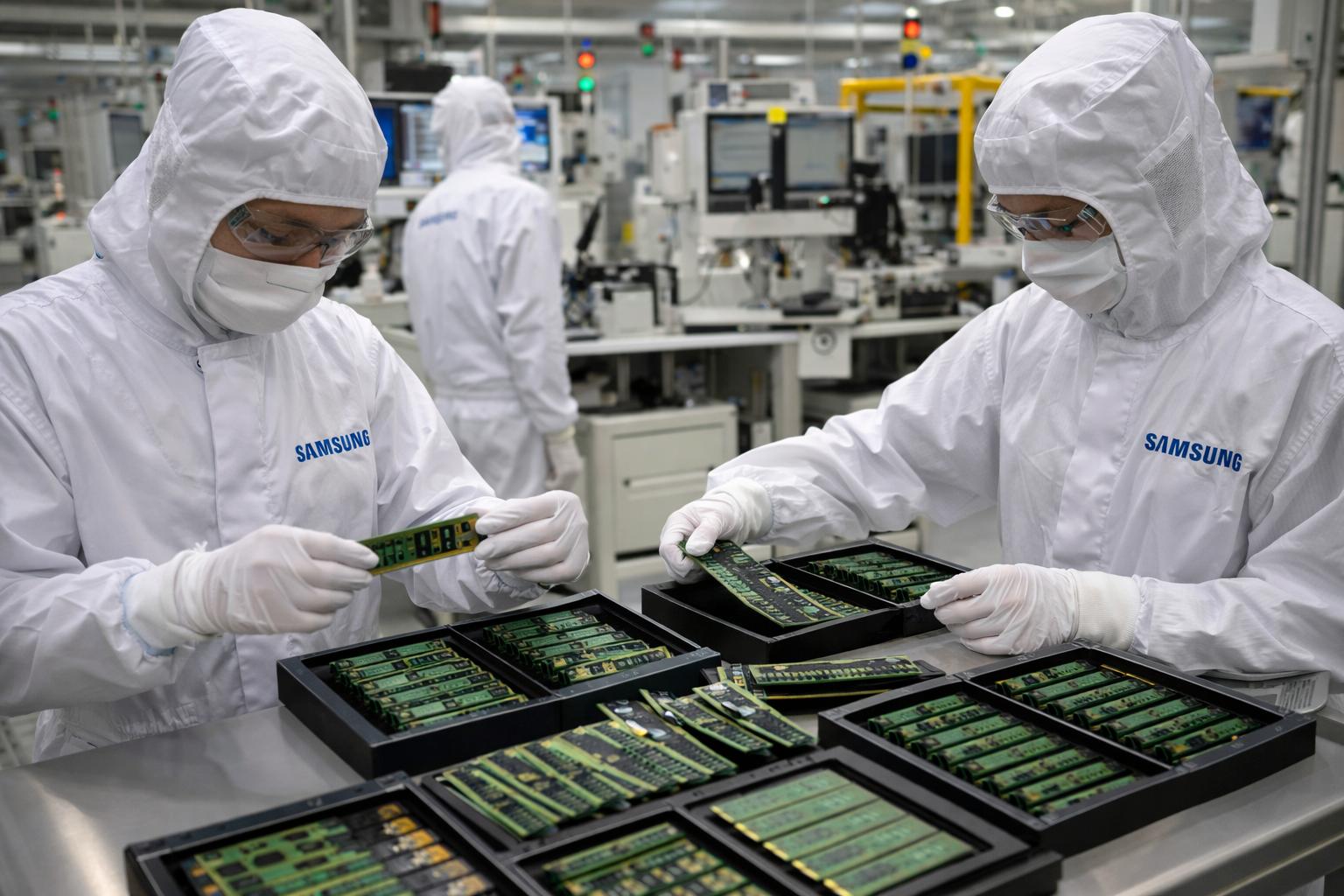
02 Technicians handling semiconductor memory modules in a Samsung cleanroom
Record ExportsAI Industry

South Korea's October Exports Hit a Record High as AI Chip Demand Surges

News core

South Korea's October exports rose 93.7% year on year — the strongest monthly gain since 1974.

South Korea's latest trade data delivered a strongly positive signal. In October 2026 the country's total exports reached $115.28 billion, up 93.7% year on year, a record high.

The most important driver of this export boom came from artificial intelligence. As global technology giants continue building AI data centres, demand has risen sharply for high-performance semiconductors, memory chips, server equipment and computing infrastructure.

Semiconductor exports alone jumped 259.4% year on year, to $56.44 billion, while computer-related product exports rose 496.6%.

South Korea's semiconductor supply chain holds a key position in global tech supply, and companies such as Samsung Electronics and SK hynix are benefiting from worldwide AI infrastructure investment.

Economic opportunities
  • Semiconductor manufacturing, chip packaging and advanced materials gain new room to grow.
  • AI server demand lifts suppliers of electronic components and computing equipment.
  • International logistics, port transport and electronics trade look set to expand further.
  • Global tech infrastructure building is creating new export openings for Asian manufacturing.
Economic observation

AI is no longer only a technology innovation in software and the internet — it is converting into real industrial orders, factory capacity, export revenue and jobs. Korea's export surge is a reflection of that industrial trend.

Source: Reuters, November 1, 2026
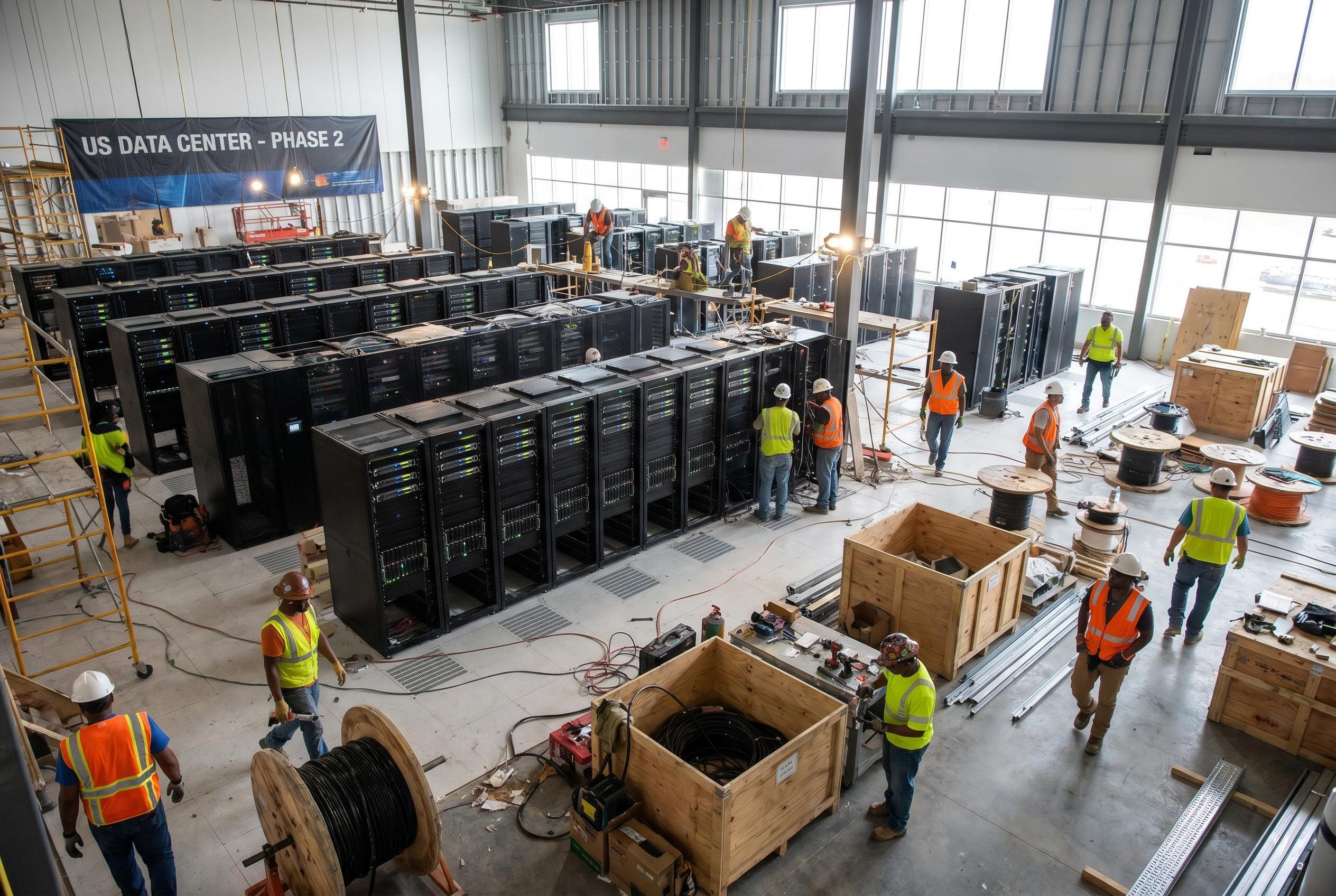
03 Workers assembling server racks during construction of a US data center
Manufacturing ExpansionTechnology Investment

US Manufacturing Keeps Expanding as AI Investment Powers the Industrial Economy

News core

The US ISM manufacturing PMI rose to 55.5 in October, staying firmly in expansion territory.

US manufacturing showed solid operating momentum in October 2026. New ISM data show the manufacturing PMI rising from 54.5 in September to 55.5, holding above the 50 line that separates expansion from contraction.

New orders, export orders and factory inventories all improved, pointing to continued support from production activity and market demand.

Notably, AI infrastructure investment is becoming a key growth engine for the US industrial economy. Heavy spending by large technology firms on data centres, servers, chips, power systems and networking equipment is generating fresh industrial demand.

Meanwhile, the US economy grew at an annualised 3.4% in the third quarter, with domestic demand and business investment supporting growth.

Main beneficiary sectors
  • AI data-centre construction and server manufacturing.
  • Industrial automation and smart manufacturing.
  • Power equipment, energy supply and infrastructure.
  • Chipmaking and high-end electronics.
  • Industrial logistics and enterprise technology services.
Economic observation

The expansion of US manufacturing shows that technology investment is feeding through to the real economy. AI is bringing not only growth in the digital sector but also factory construction, equipment purchasing, energy demand and supply-chain expansion.

One thing to watch: raw-material prices remain elevated and inflation pressure has not fully faded.
Source: Reuters, November 2, 2026
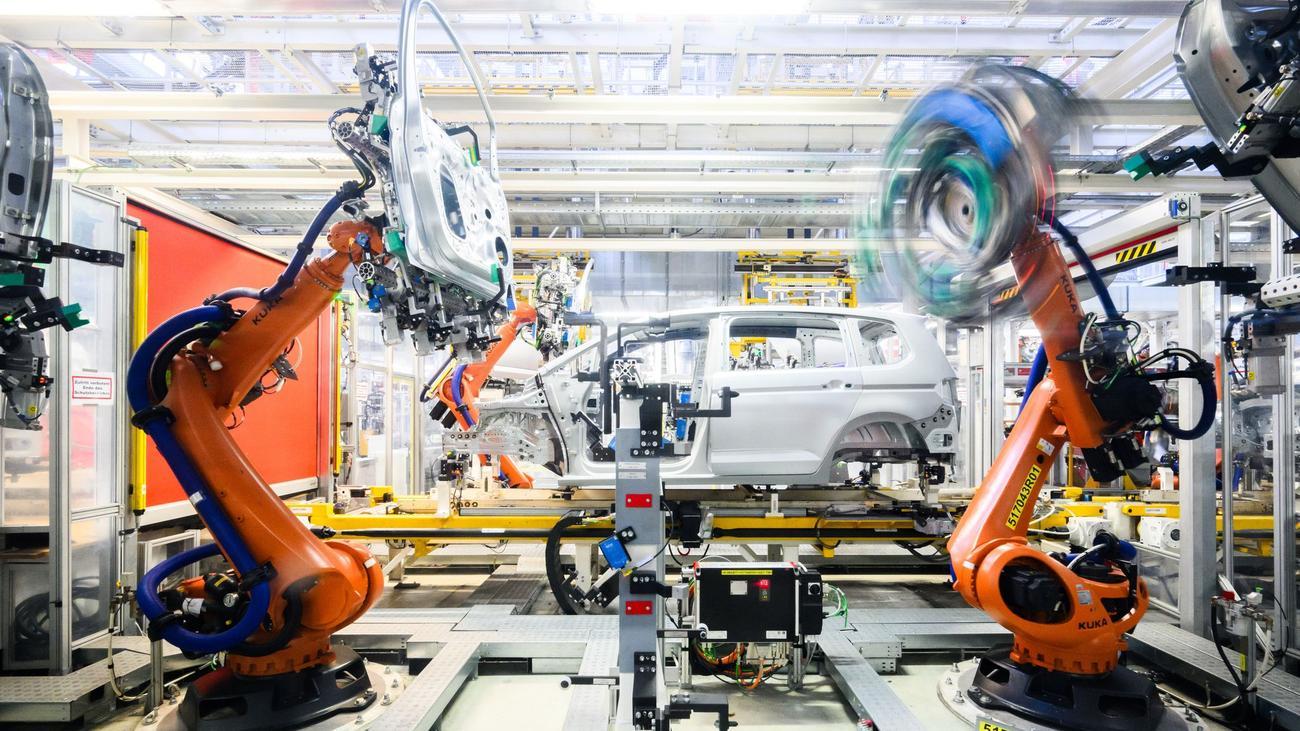
04 Robotic arms welding a car body on a German assembly line
European EconomyIndustrial Recovery

German Manufacturing Expands Again, Sending a Positive Signal for Europe's Industry

News core

Germany's manufacturing PMI rose to 54.2, with overseas orders and industrial output continuing to lend support.

As Europe's largest industrial economy, Germany's manufacturing performance has long been a key gauge of the region's economic health.

Newly released data show Germany's October manufacturing PMI reached 54.2, up from 53.9 in September and firmly in expansion territory.

At the same time, German manufacturing output has now grown for 10 consecutive months. Overseas orders remain robust, with demand from Asia, North America and elsewhere in Europe giving German industrial firms new business opportunities.

Mechanical engineering, auto parts, industrial electrical equipment and high-end manufacturing are among the fields worth watching. Global AI data-centre construction and related public investment, in particular, are creating new order space for some German suppliers.

Positive changes to watch
  • Overseas export sales continue to grow.
  • Industrial production activity stays in expansion.
  • Backlogs of outstanding orders keep rising.
  • Manufacturers remain reasonably optimistic about output over the coming year.
  • New market demand is emerging for machinery and industrial electrical products.
Economic observation

Germany's continued manufacturing expansion is a positive signal for Europe's industrial supply chain. If overseas demand holds steady, Germany looks set to strengthen its competitiveness in high-end machinery, industrial technology and advanced manufacturing.

Even so, rising raw-material costs and weak employment at some firms remain problems to solve along the path of industrial recovery.
Source: Reuters, November 2, 2026; German manufacturing PMI data
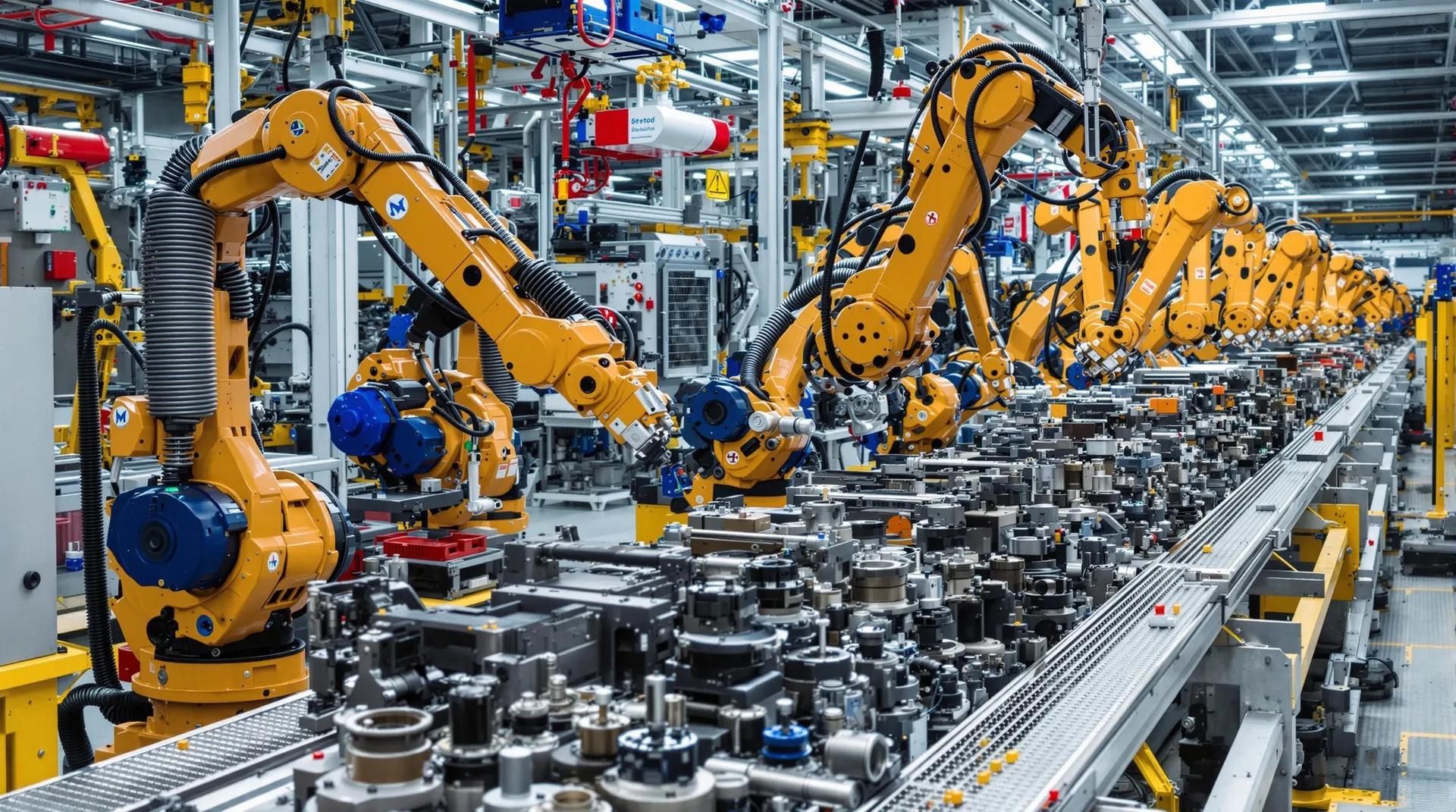
05 Automated robot production line in an advanced manufacturing plant
Economic GrowthEuropean Trade

Netherlands Q3 GDP Grows 0.6%, With Trade and Manufacturing as Key Supports

News core

Dutch GDP grew 0.6% quarter on quarter in Q3, with exports and manufacturing contributing clearly.

The Dutch economy continued to grow in the third quarter of 2026. Preliminary data from Statistics Netherlands show GDP up 0.6% quarter on quarter and 1.2% year on year.

By structure, the trade surplus, replenishment of natural-gas reserves and household and government consumption were important drivers of growth.

Dutch exports rose 0.5% quarter on quarter, with machinery and transport-equipment exports performing strongly. Manufacturing value added rose 2.7% quarter on quarter, making it one of the largest contributors to Q3 growth.

As an important European trade and logistics hub, the Netherlands is home to the Port of Rotterdam, an advanced logistics network and a well-developed international business-services sector, and plays a major role in European goods distribution and international supply chains.

Why this is positive
  • Growing international trade helps lift activity for ports, transport and logistics.
  • Rising machinery exports give industrial manufacturers new room to grow.
  • Household consumption and government spending continue to support the domestic economy.
  • High-end manufacturing and ICT add fresh growth momentum to the Dutch economy.
Economic observation

The Netherlands' positive performance shows that even amid a complex international trade environment, European economies with logistics advantages and high-end manufacturing can keep growing through exports and industrial upgrading.

Source: Statistics Netherlands (CBS), October 30, 2026
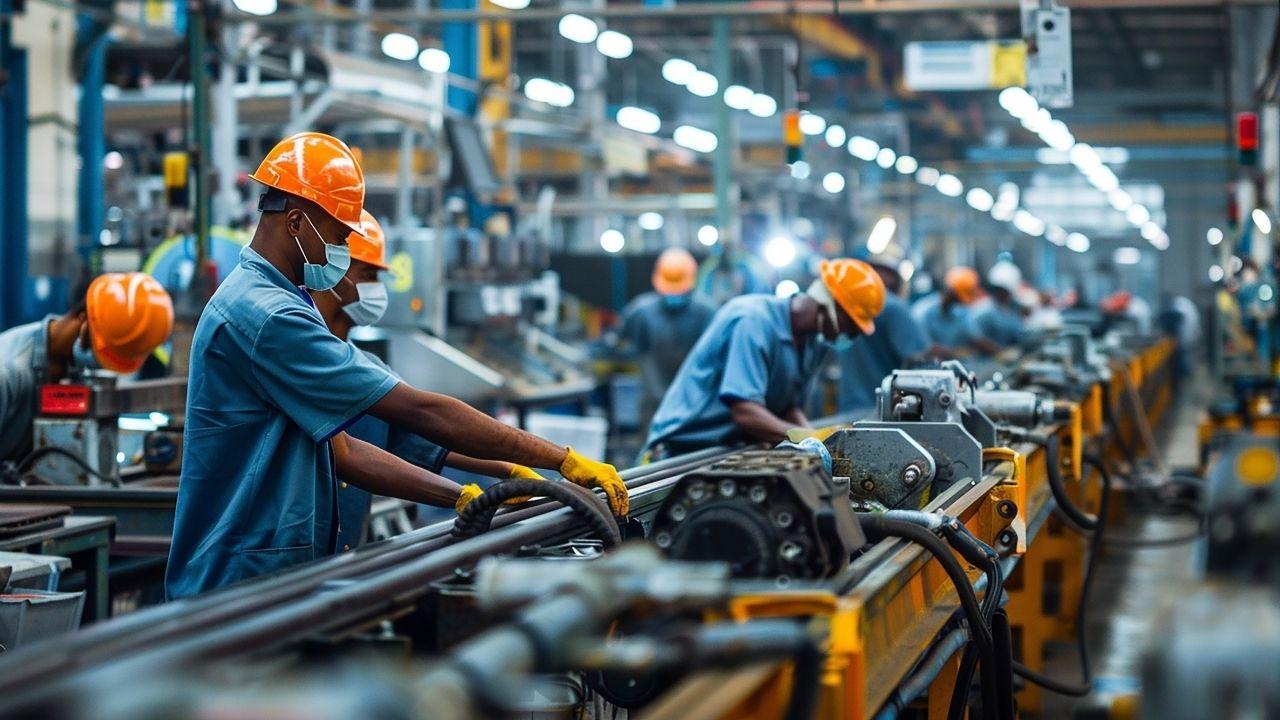
06 Factory workers on an industrial production line
High-Growth MarketEmerging Economies

India's Growth Forecast Tops 7%, With Industrial Output and Export Demand Strengthening

News core

India's growth forecast for the second quarter of FY2026–27 reached 7.35%.

India's economy continues to show strong growth potential. The latest monthly economic review from India's Ministry of Finance puts growth for the second quarter of FY2026–27 at 7.35%.

Drivers include improving industrial production, higher energy consumption, stronger port traffic, growing goods-and-services tax revenue and a rebound in car sales.

International trade is also showing positive change. The latest report shows goods and services exports up 11% year on year, with goods exports up 23.1%, led by electronics and engineering equipment.

India is accelerating development in electronics manufacturing, the auto industry, digital services, infrastructure and new energy, gradually becoming one of the key markets where global firms place supply chains.

Potential growth areas
  • Smartphones, electronic components and semiconductor-related manufacturing.
  • Automotive and new-energy-vehicle supply chains.
  • Software development, digital marketing and IT services.
  • Ports, railways, roads and urban infrastructure.
  • Industrial equipment, engineering machinery and energy construction.
Economic observation

India's appeal comes not only from its large consumer market but also from manufacturing development, digital-services exports and infrastructure building. For global firms, India is becoming a market worth watching over the long term.

Note: 7.35% is a current growth forecast, not yet a final confirmed GDP figure.
Source: India Ministry of Finance monthly economic review, as reported by Akashvani News
07 Freight being loaded onto a cargo aircraft at sunrise
Global Trade BoostInternational Supply Chain

Global Goods Export Orders Hit a Five-Year High as International Demand Improves

News core

The global manufacturing export-orders index rose to its highest level since July 2021.

International goods trade is showing fresh growth signals. According to S&P Global's global manufacturing PMI survey, the September 2026 global new-export-orders index reached 51.9 — the highest since July 2021.

The gauge has now been above 50 for two straight months, meaning new overseas manufacturing orders worldwide have returned to expansion.

The improvement is not confined to one country: it spans many advanced and emerging economies. Asian markets stand out, with Taiwan, Japan and South Korea among the key forces driving order growth; German and Dutch export orders were also relatively strong.

Beyond traditional goods trade, global services exports also improved, suggesting international business activity is gradually regaining momentum.

Why it matters
  • Improving corporate purchasing demand helps expand production orders.
  • International shipping and logistics may see more business opportunities.
  • Emerging-market exporters get more chances to join global supply chains.
  • Machinery, electronics, autos and industrial equipment stand to benefit.
  • Growth in trade in services opens markets for digital services and business outsourcing.
Economic observation

The improvement in global trade orders is a positive signal worth watching. It means international markets have not stopped working — firms are still seeking suppliers, buying products, expanding into markets and building new commercial partnerships.

Source: S&P Global, October 9, 2026
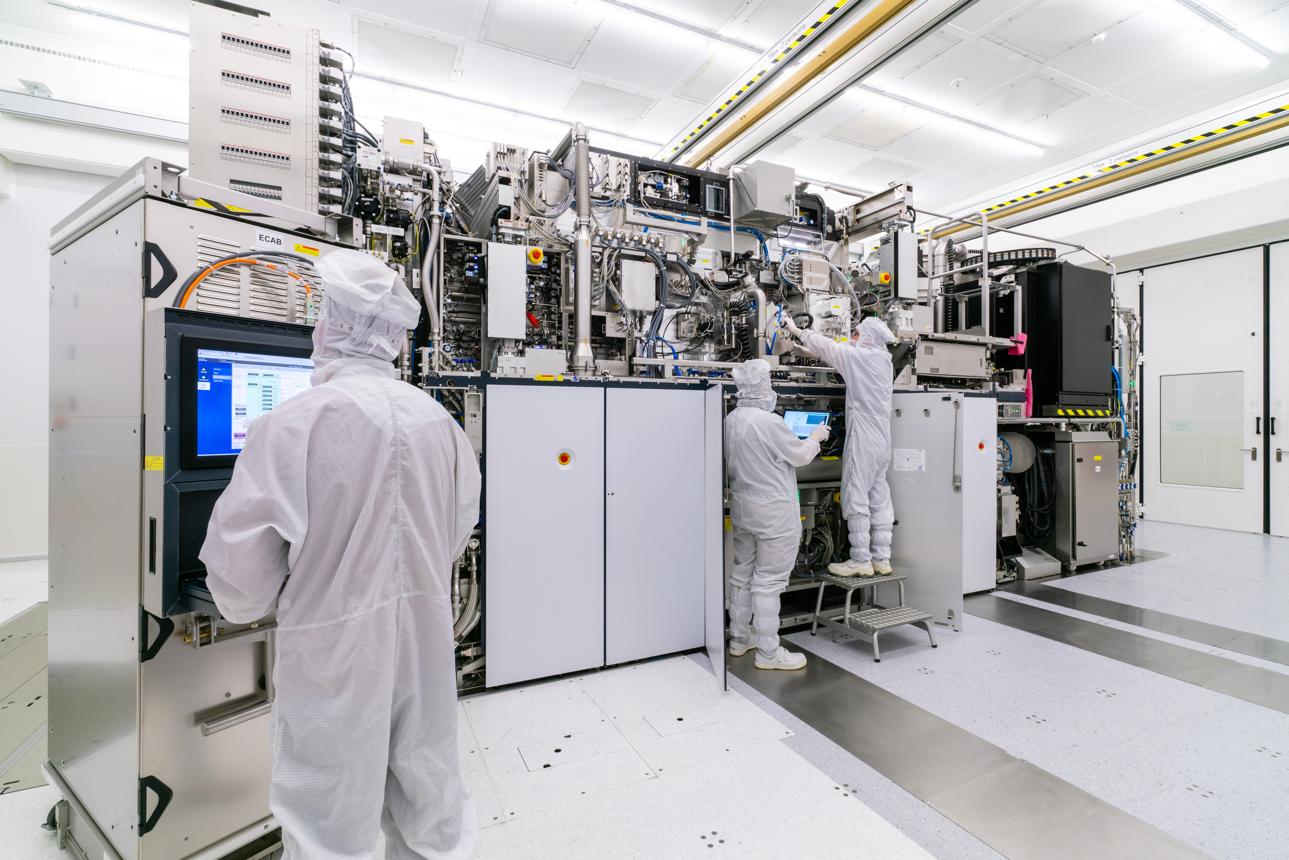
08 Engineers operating semiconductor manufacturing equipment in a cleanroom
Global Industry GrowthManufacturing Activity

Global Manufacturing Output Grows for a 15th Straight Month, Showing Strong Resilience

News core

Global manufacturing kept growing strongly in October, with output near a five-year high.

According to the latest S&P Global global manufacturing survey, global manufacturing output continued to expand in October 2026 — a 15th consecutive month of growth.

Output growth remained among the strongest levels since 2022. Although new orders slowed somewhat from September, they stayed high overall, reflecting continued international demand for industrial products.

Investment-goods manufacturing stood out in particular. As the AI industry develops rapidly, global firms keep raising investment in data centres, industrial equipment, servers, power systems and automated production gear.

At the same time, defence equipment and related industrial procurement brought steady orders to some manufacturers.

Key growth areas
SectorMain growth driver
Smart manufacturingAutomated production and industrial upgrading
SemiconductorsAI computing and chip demand
Industrial machineryGlobal corporate equipment purchasing
Power equipmentData-centre energy demand
High-end electronicsServers and computing infrastructure
Economic observation

The continued expansion of global manufacturing shows the industrial production system still has growth momentum. As firms increase equipment spending and technology upgrades, manufacturing looks set to remain an important pillar of the global economy.

However, rising orders have also strained some raw-material and supply chains, and rising input costs are a current concern.
Source: S&P Global, November 2, 2026
09 Modern financial district towers in a European capital
European RecoveryConsumption & Services

Eurozone Q3 Growth Beats Expectations, Showing European Resilience

News core

Eurozone GDP grew 0.4% quarter on quarter in Q3, above the market forecast of 0.2%.

Despite volatility in international energy markets and a complex external environment, the European economy still grew faster than expected in the third quarter of 2026.

Preliminary data show eurozone GDP up 0.4% quarter on quarter and 1.3% year on year.

That means Europe retained a degree of growth capacity in the face of higher energy costs and international trade uncertainty. By country, Spain, the Netherlands and Estonia each grew 0.6% quarter on quarter, and Germany grew 0.2%. Ireland grew 5.5%, contributing significantly to the overall eurozone figure.

Growth was supported importantly by household consumption and business spending. Consumers kept spending day to day and firms maintained some investment, with services and commercial activity providing support.

Positive effects
  • Europe's consumer market stays active, providing demand for retail and business services.
  • Business spending helps sustain equipment purchasing and commercial investment.
  • Tourism, hotels, restaurants and transport still have room to grow.
  • Growth in markets such as Spain and the Netherlands offers a positive signal for the region.
  • Continued European expansion helps strengthen long-term confidence among firms and investors.
Economic observation

Europe is not growing at full speed across the board, but its above-expectation third quarter shows consumption and business activity remain resilient. If energy-price pressure eases gradually, European industry and services may improve further.

Note: eurozone inflation is still above the ECB's 2% target, and the path of future monetary policy remains uncertain.
Source: Associated Press, late October 2026
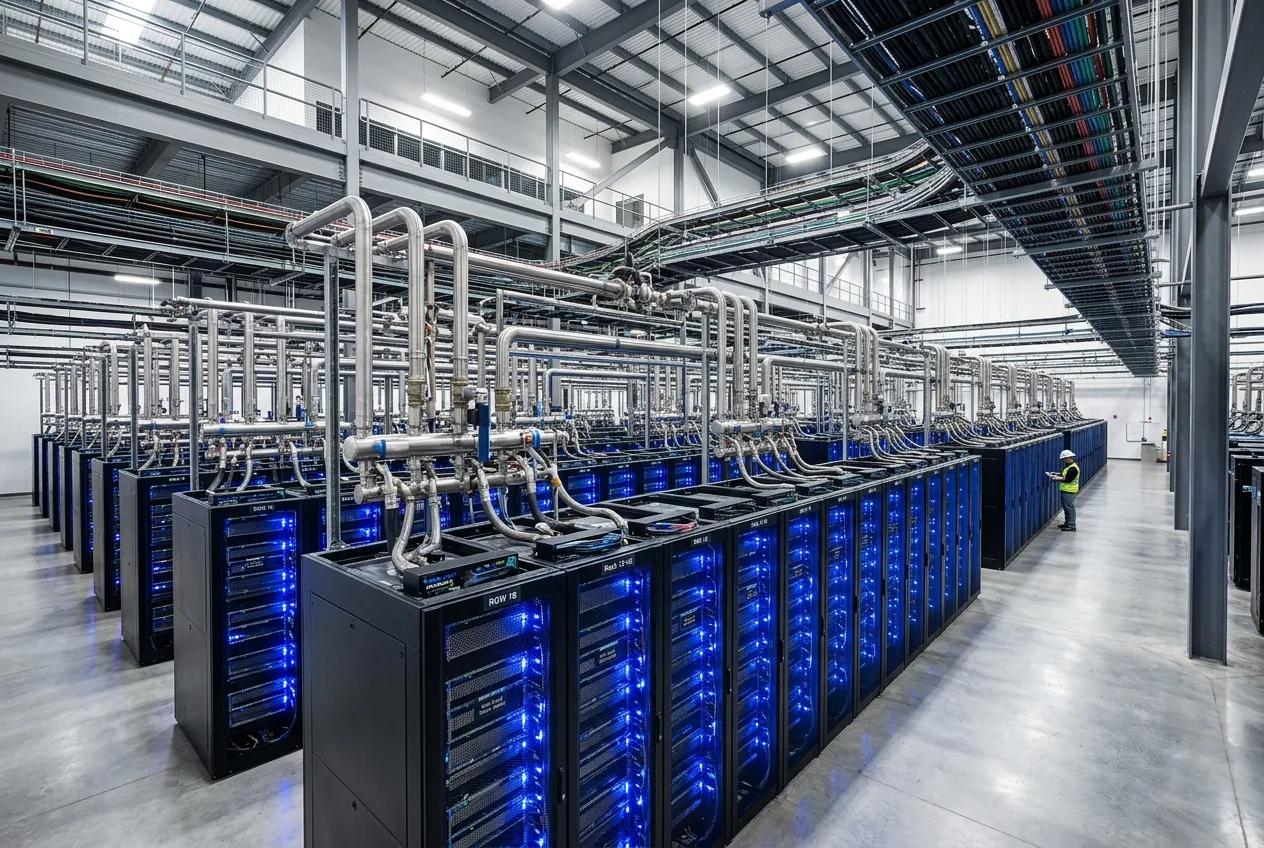
10 Rows of servers inside a modern AI data center
Global OutlookLong-Term Investment

OECD Expects the Global Economy to Keep Growing, With AI Investment as a Key Engine

News core

The OECD expects global growth of 2.9% in 2026 and 3.0% in 2027.

In its latest interim global economic outlook, the OECD noted that although the global economy faces an energy-supply shock, international tensions and inflation pressure, overall performance remains resilient.

The report projects global GDP growth of 2.9% in 2026 and 3.0% in 2027.

AI-related investment is an important force supporting global trade and economic activity. In recent years global firms have steadily increased spending on AI infrastructure — large data centres, computing equipment, semiconductors, cloud platforms and power-supply systems.

These investments drive not only the technology sector but also construction, industrial equipment, energy, telecoms and professional services. Another positive change is that global energy supply is adjusting through alternative shipping routes, higher output elsewhere and the release of strategic reserves, helping ease part of the energy-supply shock.

Five areas to watch
  • AI and the digital economy: boosting productivity and technology investment.
  • International trade: driving goods, services and cross-border commercial cooperation.
  • New energy and energy infrastructure: supporting adjustments to energy supply.
  • Industrial automation: helping firms upgrade production capacity.
  • Emerging markets: offering new consumer markets and industrial investment space.
Economic observation

The global economy is going through industrial restructuring. AI, the energy transition, digital infrastructure and international trade will continue to shape investment directions in the years ahead. For firms, finding new technologies, new markets and new business models will be a key part of future competition.

Source: OECD interim economic outlook, September 23, 2026

Get the next global outlook first

One edition a week: the trade, technology and manufacturing signals moving the world economy, in plain language.